

TEST ARTICLE
Your phone is easy to underestimate. It slips into a pocket, wakes up with a tap, and disappears into a charging cable at night. Yet inside that familiar rectangle is a remarkably capable computer—one that can translate speech, edit 4K video, map a new city, authenticate payments, and recognize objects in a photograph.
The interesting part is not simply that phones have become faster. It is that more of the computing once sent to distant data centers is now happening directly on the device in your hand.
Why local computing matters
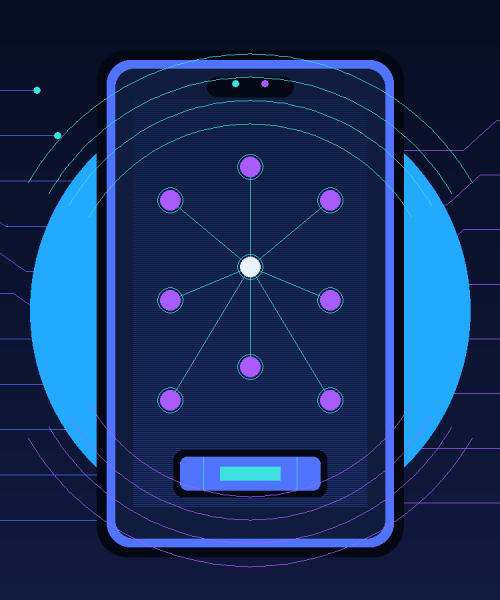
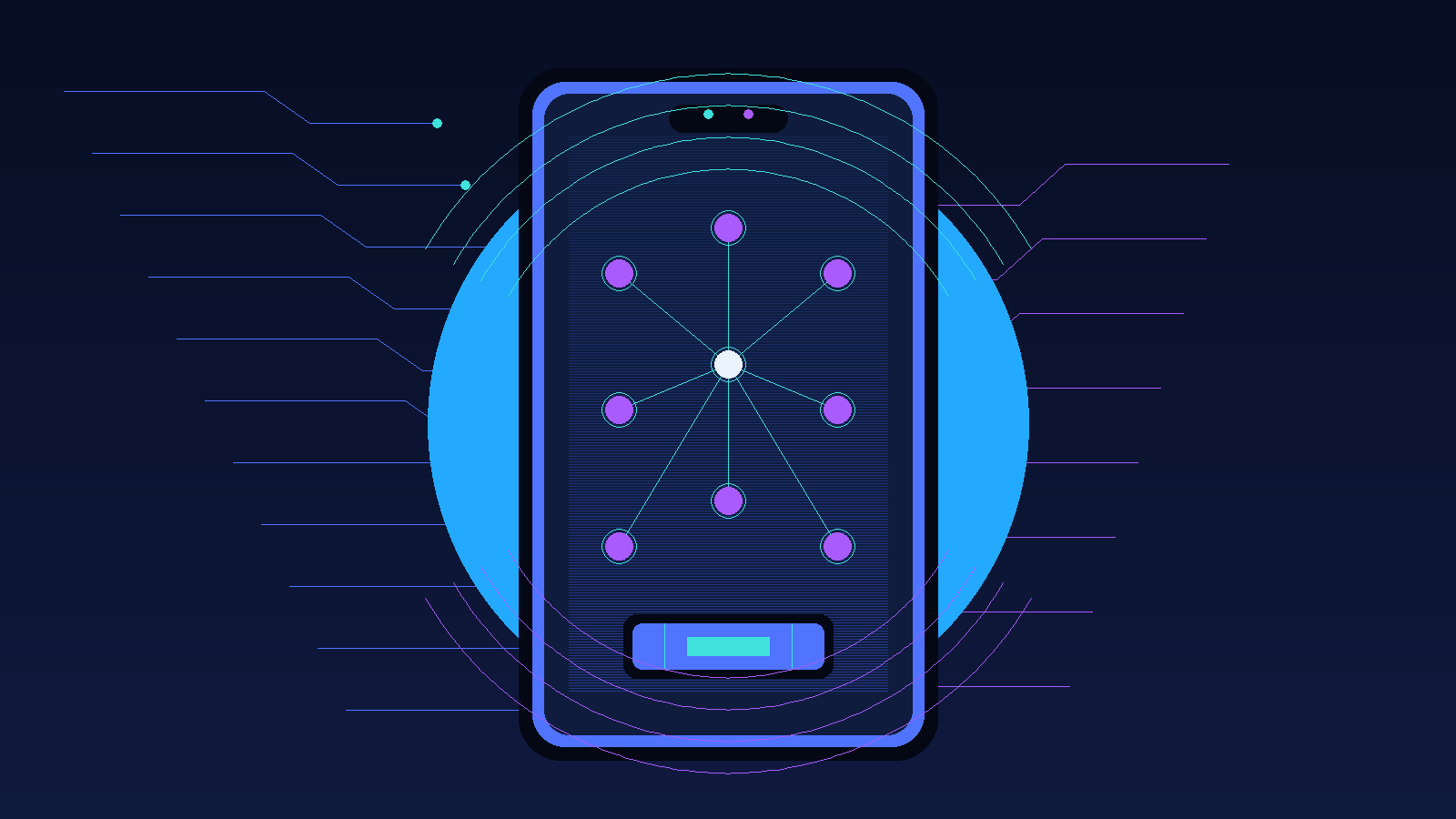
When an app processes a task locally, the result does not have to make a round trip to a server. That can make features feel more responsive, and it can reduce the amount of personal data that needs to leave the phone. Voice commands, photo searches, and biometric checks are common examples of workloads that can benefit from on-device processing.
Local processing is not a magic privacy shield. Apps can still collect data, and many services still rely on the cloud for their most demanding tasks. But the shift gives developers another option: send only what is necessary, rather than sending everything by default.
The rise of the neural engine
Modern mobile chips increasingly include specialized hardware for machine-learning operations. These components are designed to perform the repetitive mathematical work behind tasks such as image enhancement, noise reduction, and real-time language features more efficiently than a general-purpose processor.
That efficiency matters because a phone has stricter limits than a desktop computer. It has a small battery, limited cooling, and a screen-sized interface. Specialized hardware lets it perform sophisticated operations without treating every task like a miniature data-center workload.
What this changes for users
- Faster experiences: camera and accessibility features can react with less delay.
- More resilient apps: some features can continue working when connectivity is poor.
- Better privacy choices: developers can keep selected tasks on the device.
- New creative tools: editing, transcription, and image generation can happen closer to the user.
The trade-off nobody sees
On-device intelligence also creates harder engineering problems. Models must be smaller, updates must be carefully managed, and battery use must be kept under control. Developers have to decide which information belongs on the phone and which tasks justify a trip to the cloud.
That division will shape the next generation of apps. The best products may not be the ones that advertise the biggest model, but the ones that quietly choose the right place for each computation.
The bottom line
The smartphone is becoming less like a remote control for internet services and more like an independent computing platform. That evolution will not make the cloud disappear. Instead, it will create a hybrid future in which the phone handles immediate, personal tasks while larger systems provide depth when needed.
For users, the result should be technology that feels quicker, works in more places, and gives them more control over their data. The next time your phone removes background noise or finds a photo in an instant, remember: the most important computer in the process may be the one already in your hand.
This is a Techrazz test article published to review the site’s editorial layout and publishing workflow.